Sync placements explained
Updated June 2026 • 6 min read
A sync placement is what artists call a successful sync deal — your music landing in an ad, a TV show, a film, a game, or a branded video. Here's how the placement economy actually works, what it pays, and how it's shifted in 2026. Placement news and deal reporting is covered week to week by Billboard Pro, while the money that follows a placement is explained in our guide to sync royalties.
The types of sync placements
- Advertising — TV spots, YouTube pre-roll, paid social, OOH. Highest volume.
- Television — episodic placements in shows, often in background scenes.
- Film — feature placements, often premium fees with theatrical multipliers.
- Trailers — short, high-impact use, premium rates.
- Video games — in-game soundtrack, trailers and cinematics.
- Branded content & UGC — the fastest-growing category, driven by short-form social.
- Podcasts — intros, beds and ads.
What sync placements pay in 2026
Fees vary massively by media, artist tier and rights scope:
- Super Bowl spot, major-label song: $500,000–$2M.
- National TV ad, indie track: $15,000–$75,000.
- Streaming TV episode, background use: $1,500–$8,000.
- Regional digital campaign, indie: $500–$5,000.
- Branded UGC content: $50–$500 via direct deals.
- Self-serve marketplaces: $5–$200 per placement at volume.
The marketplace tier exists because brands need more placements at lower stakes — a single creative team might license 50 tracks a month. Volume changes the math.
The two cheques: upfront fee + backend royalties
Every sync placement actually pays twice. The upfront sync fee is what gets negotiated and signed. The backend is public-performance royalties collected by PROs (PRS, ASCAP, BMI, SACEM) every time the content airs publicly. A network TV placement can generate years of backend long after the initial fee.
How artists actually land placements
- Through a sync agent — agent pitches your catalogue, takes 20–50% of fees.
- Through a publisher — publisher rep handles sync within a wider deal.
- Direct pitching — DIY outreach to music supervisors and creative directors.
- Self-serve marketplaces — list tracks on Melody, brands and creators license on demand. No pitch required.
How Melody changes the placement game
Traditional placements are slow, gatekept and unevenly distributed. Marketplaces flip the model: instead of pitching a handful of supervisors and waiting months for a yes, your catalogue is browsable by every brand and creator on the platform — generating dozens of small placements rather than one big one. Artists keep 75% of every transaction.
A worked example: pricing a real placement
Take a 30-second brand video for a DTC skincare company, running on Instagram and TikTok for six months, non-exclusive, one territory. That is a modest brief — no broadcast reach, no exclusivity premium, short term. On a self-serve marketplace it would typically license for somewhere in the $25–$150 range. Scale the same brief up to a national TV commercial with 12-month exclusivity across all media, and the fee band jumps to five or six figures, because now you are paying for reach, exclusivity and a locked term simultaneously. The brief, not the song's quality, is usually what moves the number.
This is why it is worth reading a licence closely before assuming a low price means a bad deal, or a high price means a great one. A $40 licence with no exclusivity and a narrow use case can be entirely fair; a $40 licence quietly granting worldwide, perpetual, exclusive rights is not. For a full breakdown of price bands by media type, see our sync licence cost guide.
What decides whether you get the placement
Beyond the music itself, a handful of practical factors decide who wins a sync opportunity:
- Clearance speed — supervisors and brand teams often work on tight deadlines. A track that clears in minutes beats a better track that takes two weeks of back-and-forth with a label.
- Rights certainty — if there is any ambiguity about who owns the master or the publishing, most buyers will walk rather than risk a takedown or a dispute later.
- Metadata and findability — mood, BPM, instrumentation tags and a clear description determine whether a track is even discoverable in a search of thousands of options.
- Fit over fame — supervisors are usually briefed on a mood or emotional beat, not an artist name. A lesser-known track that nails the brief consistently outperforms a bigger name that is a rough fit.
Common mistakes that cost artists placements
- Uncleared samples or covers — any track with an uncleared sample, an interpolation, or a cover recording cannot be licensed for sync without separately tracking down every underlying rights-holder. This alone disqualifies a large share of submitted catalogues.
- Split disputes — if co-writers or featured artists have not signed off on ownership splits, a placement can stall or collapse entirely once a buyer's legal team asks for documentation.
- Over-pricing a non-exclusive, low-reach use — asking for a five-figure fee on a small social campaign signals inexperience and usually ends the conversation.
- Ignoring the brief — submitting music that does not match the requested mood, tempo or instrumentation wastes both sides' time and damages future opportunities with the same buyer.
Who placements are realistically available to
Sync placements are not reserved for major-label artists. The vast majority of sync activity by volume — branded content, UGC, indie film, podcasts, small business ads — is licensed from independent, self-released catalogues, precisely because those catalogues are affordable and quick to clear. Where independent artists lose out is not lack of opportunity but lack of access: a supervisor cannot license a track they have never heard, and a traditional pitch-based agent can only carry a limited number of artists at once. Marketplaces close that gap by putting the catalogue directly in front of the buyer.
How placement volume changes an artist's income
A single big placement is exciting, but it is rarely the most reliable income shape for an independent artist. A catalogue of twenty tracks pitched exclusively through an agent might land two or three placements a year. The same catalogue listed on a self-serve marketplace, browsable by hundreds of brands and creators simultaneously, can generate dozens of smaller placements across the same period. The total revenue is often comparable, but the volume model is far less dependent on any single deal, and it compounds as the catalogue grows — every new release adds another asset that can be discovered and licensed independently of the others.
Turn your catalogue into placements
Submit your music to Melody. Get discovered by brands actively licensing. Keep 75% of every sync.
Frequently asked questions
What is a sync placement?
A sync placement is any successful licensing of a piece of music for use in visual media — a TV show, an ad, a film scene, a video game, a trailer, or branded social content. It's the artist-side word for "we got the deal".
How much does a sync placement pay?
Sync placement fees range from $5 for a digital ad on a marketplace, up to $500,000+ for a major-label song in a Super Bowl spot. Most indie placements land between $500 and $15,000 depending on media, term and exclusivity.
What types of sync placements exist?
The main categories are: TV (broadcast and streaming), film, advertising (TV, digital, social), trailers, video games, podcasts, and branded content. Each has different fee bands, term lengths and clearance complexity.
Do artists earn royalties after the upfront placement fee?
Yes — the upfront sync fee is one payment, but the placement also generates backend public-performance royalties via PROs (PRS, ASCAP, BMI, etc.) whenever the content airs publicly.
How do you actually get sync placements?
Three routes: (1) a sync agent or publisher pitches your catalogue, (2) you pitch supervisors directly, or (3) you list your tracks on a self-serve marketplace like Melody where brands and creators license them on demand.
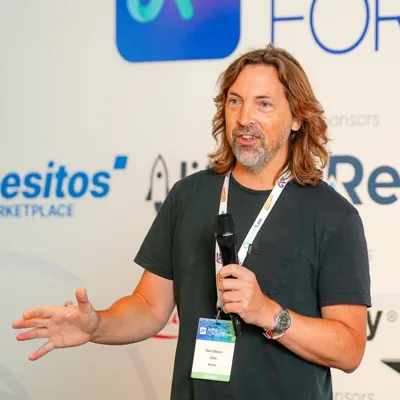
About the Author
Samuel Olsson is the Head of Growth at Melody and the Managing Director of Kurve, an award-winning growth marketing agency. With over a decade of experience building scalable growth engines for tech companies, Samuel is now focused on solving the biggest problem in music: connecting the 90% of unheard artists with the brands that need their sound.
View full profile →Related reading
Sync royalties
The backend half of every placement: how PRO royalties actually flow.
Submit music for sync
The artist's how-to for getting catalogue in front of brands.
Sync agents vs platforms
When to use an agent versus a self-serve marketplace.
Sync vs playlists
The economics of sync placements compared to streaming.