How much does a sync license cost?
Updated August 2026 • 6 min read
A sync license typically costs $500–$5,000 for a social ad, $2,000–$15,000 for paid digital and YouTube, and $25,000–$150,000+ for a national TV commercial. The fee is set by media type, territory, term, exclusivity and the profile of the recording. Pre-cleared marketplace licences sit far below those bands — on Melody they start at $5. Trade reporting from Billboard Pro tracks how those negotiated fees move with demand; if you are buying for a campaign, start with music licensing for commercials.
Why nobody publishes a price list
Sync is quoted, not priced. A fee buys a defined set of permissions — this music, in this creative, in these territories, for this long — so the same recording can be $500 or $80,000 depending on the ask. Traditional libraries and agencies keep quoting bespoke because the negotiation is where their margin lives.
That is genuinely painful if you are planning a campaign budget. So below are the bands the market actually works in, drawn from published rate cards, industry norms and what brands report paying. Treat them as ranges to sanity-check a quote against, not guarantees.
Sync licence cost by media type
| Use case | Typical market fee | On Melody |
|---|---|---|
| Social ad (TikTok, Reels, Shorts)Organic-adjacent paid social. The band brands most often underestimate. | $500 – $5,000 | From $5 |
| YouTube pre-roll / paid digitalPriced on spend and flight length by most libraries. | $2,000 – $15,000 | From $25 |
| Brand film / website heroUsually bundled with a broader digital term. | $3,000 – $25,000 | From $25 |
| National TV commercialMaster and publishing quoted separately; both sides must clear. | $25,000 – $150,000+ | Negotiated |
| Cinema / theatricalTerritory and term drive most of the number. | $15,000 – $100,000+ | Negotiated |
| Indie film / documentary festival useFestival-only terms are cheaper than all-media buyouts. | $500 – $5,000 | From $25 |
Market fees are indicative ranges for a recognised independent recording. Fees for major-label catalogue and well-known songs sit above these bands, often several times over.
The six things that move the number
Media type
Paid social sits at the bottom, national TV and cinema at the top. Broadcast reaches more people and carries more legal exposure, so it costs more.
Territory
One country is cheaper than worldwide. Most quotes step up in bands: single market, then a region, then global.
Term
Three months costs a fraction of perpetuity. A short flight with an option to extend is the cheapest way to test a track.
Exclusivity
Non-exclusive is the default and the cheapest. Category exclusivity — locking rivals out of the track — can multiply the fee several times over.
Artist profile
A recognisable recording carries a name premium. An equally good track from an unsigned artist can cost a hundredth of the price.
Edit rights
Cutting, looping and re-arranging the music is a separate permission in traditional deals. Check it is included before you brief an editor.
You are always paying for two rights
Every song carries a composition (the underlying song, controlled by writers and publishers) and a master (the specific recording, controlled by the label or the artist). A valid sync clears both. In a traditional deal the two sides are quoted separately and land in a similar range, which is why a "$10,000 sync" often means $10,000 per side.
This is the single biggest source of budget shock for first-time licensees, and the reason a track can be cleared on the master side and still be unusable. See what sync licensing is for the full breakdown.
Where the money actually goes
A traditional sync fee passes through several hands before it reaches the person who made the music. Agents commonly take 20–50%, publishers take an administration cut, and labels may recoup against advances. It is entirely normal for an artist to see less than half of a headline fee.
Melody runs a flat 75/25 split: the rights-holder receives 75% of every licence fee, and 25% covers rights administration, payouts and platform costs. Nothing else is deducted. Sync royalties covers the backend side.
What a $5 licence actually includes
Melody licences are pre-cleared on both sides. Each one covers:
- One creative concept, including all cutdowns and formats of that creative
- Global usage across paid social, digital, web and owned channels
- A perpetual term for that creative — no re-clearance, no expiry
- Both master and publishing rights, in a single transaction
- A PDF licence certificate you can hand to a platform or a legal team
What it does not cover: a different campaign, re-use in an unrelated ad, or sublicensing the music to someone else. Those need their own licence — which is also how the price stays low.
Budgeting a campaign realistically
- Testing creative: licence several tracks at marketplace prices and let performance decide. At $5–$25 a track, music stops being a line item you have to defend.
- Single hero campaign: a pre-cleared licence covers it outright. Reserve agency-scale budget only when a specific famous recording is the creative idea.
- Broadcast: allow 8–12 weeks and legal review. Broadcast clearance is a process, not a purchase, whichever route you take.
- Always-on content: per-track licensing beats a subscription only if you publish rarely. Compare against Melody's plans before committing.
Frequently asked questions
How much does a sync license cost?
A sync license typically costs between $500 and $5,000 for a social ad, $2,000 to $15,000 for paid digital and YouTube, and $25,000 to $150,000+ for a national TV commercial. Price is driven by media type, territory, term, exclusivity and how well known the recording is. Pre-cleared marketplaces sit far below those bands — Melody licenses start at $5.
Why is there no single price for a sync license?
Because a sync fee buys a specific set of permissions, not a product. The same recording can cost $500 for a three-month single-market social campaign and $80,000 for a worldwide perpetual TV buyout. Every quote is a function of where the music runs, for how long, and how exclusively.
Do I have to pay twice — once for the song and once for the recording?
In a traditional deal, yes. The composition is controlled by the songwriter and publisher, the master by the label or artist. Both must be cleared, and the two fees are usually similar in size, which is why people quote sync costs 'per side'. Pre-cleared platforms bundle both into one price.
What is the cheapest legal way to use music in an ad?
A pre-cleared marketplace licence. You pay a single fee, both rights are already cleared, and you get a certificate immediately. On Melody that starts at $5 for social use. The cheapest illegal way — using a popular track and hoping nobody notices — reliably ends in a takedown or a claim.
Are there hidden costs on top of the sync fee?
In traditional deals there can be: agent commission of 20-50%, publisher admin, re-clearance fees when you extend a campaign, and separate fees for edits or additional cutdowns. Ask for the all-in number and confirm what happens when the term ends.
Does a cheaper licence mean fewer rights?
Not necessarily — it usually means a narrower scope or a less famous recording. A Melody licence covers one creative concept, all cutdowns and formats of that creative, global usage and a perpetual term. What it does not cover is a different campaign, which needs its own licence.
How much do artists actually receive from a sync fee?
In a traditional chain the artist can see well under half after agent, publisher and label splits. Melody pays 75% of every licence fee to the rights-holder, with the remaining 25% covering rights administration, payouts and platform costs.
See the price before you brief the edit
Every track in the Melody library shows its licence price up front. Both rights cleared, certificate included, from $5.
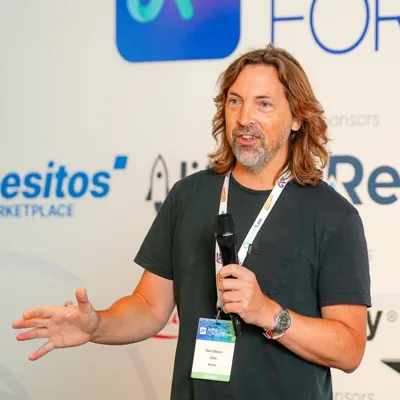
About the Author
Samuel Olsson is the Head of Growth at Melody and the Managing Director of Kurve, an award-winning growth marketing agency. With over a decade of experience building scalable growth engines for tech companies, Samuel is now focused on solving the biggest problem in music: connecting the 90% of unheard artists with the brands that need their sound.
View full profile →Keep reading
How to get a sync license
The clearance process end to end, from shortlist to signed certificate.
Sync licensing companies compared
Agencies, libraries and marketplaces — who does what, and at what price.
What is a sync license?
The brand-side explainer, without the legal jargon.
Sync royalties
Where the fee goes after it is paid, and how backend royalties work.