What is sync licensing?
Updated June 2026 • 6 min read
Sync licensing — short for synchronization licensing — is the legal permission to pair music with visual media. If you're putting a song behind a video, an ad, a film scene or a social post used for business, you need a sync licence. The synchronisation right is separate from the performance and mechanical rights most artists already know about. Our guide to getting a sync licence walks through both routes.
The two rights every sync deal clears
Every recorded song actually contains two separate copyrights, and a proper sync deal has to clear both:
- The composition — the underlying song (melody, lyrics, chord changes). Owned by the songwriter or their publisher.
- The master recording — the specific recorded performance you hear. Owned by the artist or their record label.
In a traditional deal, your agency contacts the publisher for one half and the label for the other, then negotiates territory, term, media and exclusivity for each. That's where the multi-week timelines come from. Platforms like Melody pre-clear both sides up front so brands can buy a complete licence in a single click.
What gets defined in a sync licence
A typical sync agreement spells out:
- Media — TV, digital, social, theatrical, in-game, podcast, etc.
- Territory — worldwide, single country, region.
- Term — perpetual, 1 year, 3 years.
- Exclusivity — can a competitor use the same track next month?
- Usage — full song, 30-second cut-down, instrumental only.
How much does sync licensing cost?
Sync pricing is famously opaque, but the bands are real. Major-label hits in a national TV campaign routinely clear at $50,000–$500,000+. Mid-tier indie tracks for a regional digital campaign land around $500–$5,000. Pre-cleared indie marketplaces start at $5 per licence — Melody's flat-rate model lives here.
You're really paying for three things: the rights themselves, the time saved versus negotiation, and the legal certainty that the track is actually cleared.
Who needs a sync licence?
- Brands and in-house creative teams running paid social, YouTube ads, TV spots or OOH content.
- Agencies and production companies producing client work.
- UGC studios and creator-led ad shops shipping paid creative at volume.
- Film, TV and streaming productions.
- Game studios, podcast networks and apps using music in branded contexts.
If the music is in a piece of content that exists to sell something, you need a sync. Organic personal posts on TikTok or Instagram using the in-app library are the only meaningful exception — and the moment that post gets boosted into an ad, the exception ends.
Sync licensing vs other music licences
A few terms get confused with sync, but they're distinct:
- Public performance licences (PRS, ASCAP, BMI) cover broadcast and venue play, not pairing music with visuals.
- Mechanical licences cover reproduction onto physical or digital copies.
- Royalty-free music is a subscription model — you pay once and use across many projects, but the catalogue is typically generic, library-style music.
- Stock music overlaps with royalty-free and shares the "everyone uses the same 10 tracks" problem.
How Melody simplifies sync
Every track on Melody is pre-cleared for advertising use. One flat fee (from $5), one transaction, both rights bundled, instant download, signed licence in your inbox. Artists keep 75% of revenue, brands keep their timelines, lawyers stay out of the loop.
A worked example: the same track, three budgets
Say a 30-second acoustic-pop track is being considered for three different campaigns. A national TV brand campaign with 12-month exclusivity and worldwide broadcast rights might command $80,000–$150,000, split roughly between the composition and master owners. A regional digital campaign running only on Meta and YouTube for three months in one country might land at $1,500–$4,000 through a boutique sync agency. The same track, licensed non-exclusively for a single paid social campaign through a pre-cleared marketplace, could cost $25–$75 total with both rights bundled. The music has not changed — the scope, exclusivity and negotiation overhead have.
This is the single most useful mental model for anyone new to sync: price tracks scope, not quality. A well-recorded, professionally mixed indie track is not "cheaper" music than a major-label hit — it is the same kind of right, sold with narrower exclusivity and less brand-name recognition attached.
Common mistakes brands make with sync
- Assuming a Spotify or Apple Music streaming licence covers advertising. Streaming licences are for personal listening only and never extend to commercial use.
- Using TikTok or Instagram's in-app sound library in a paid ad. Those catalogues are cleared for organic, non-commercial posts by individual users, not for boosted or paid content.
- Buying only one half of the rights. A licence that covers the composition but not the master (or vice versa) leaves you exposed — you need both signed off before you publish.
- Skipping the paperwork because the deal is small. Ad platforms, broadcasters and Content ID systems all ask for proof of licence sooner or later. A $25 licence needs the same certificate as a $25,000 one.
- Leaving clearance until the week of launch. Traditional sync negotiation takes weeks; if your timeline is tight, that alone should push you toward a pre-cleared catalogue.
How to read a sync licence before you sign
Whichever route you take, check five things on the document itself before using the track:
- Does it name both the composition and the master recording, or only one?
- Does the media list actually include your use case (social ads, TV, in-game, etc.)?
- Is the territory wide enough for where the campaign will run, including paid distribution outside your home market?
- Is the term long enough to cover the full life of the campaign, including any evergreen or always-on placements?
- Is the licence exclusive or non-exclusive, and does that match what you actually need?
A licence that is silent on any of these points is not a complete licence — go back to the rights-holder or platform and get it clarified in writing.
Why indie sync exists as its own category
Major-label sync makes sense when brand recognition is the point — a recognisable hook does real creative work in a hero campaign. But most commercial content does not need a recognisable song; it needs music that fits the mood, does not cost a legal review, and will not get flagged the moment it goes live. That is the gap indie sync marketplaces fill. Original, professionally released tracks from working artists, cleared in full before a brand ever sees them, priced for the volume and speed that modern paid social and performance marketing actually run at. If you are comparing that model against traditional agents, see how sync agents stack up against self-serve platforms, or browse a breakdown of typical costs at every tier on our sync licence cost guide.
Frequently asked questions
What is sync licensing?
Sync licensing (short for synchronization licensing) is the legal permission to pair a piece of music with visual media — ads, films, TV shows, YouTube videos or social media content. It clears both the song (composition) and the recording (master) for commercial use.
What is the difference between a sync license and a master license?
A sync license covers the composition (the song itself, controlled by the songwriter or publisher). A master license covers the specific recording (controlled by the label or artist). To legally use a track in an ad you need both — modern platforms like Melody bundle them into a single transaction.
How much does sync licensing cost?
Major-label sync fees range from $5,000 to $500,000+. Indie sync platforms start much lower — Melody licences begin at $5 per track for digital ads, with transparent flat pricing and no negotiation.
Do I need a sync license for YouTube or TikTok ads?
Yes. The in-app music libraries on TikTok and Instagram are only licensed for organic, user-generated content. Any paid ad, boosted post or commercial use requires a proper sync license.
How long does it take to get a sync license?
Traditional sync deals take 2 to 8 weeks of back-and-forth between the brand, agency, label and publisher. Pre-cleared marketplaces deliver a signed sync + master licence in under 5 minutes.
License music in minutes, not weeks
Browse thousands of pre-cleared indie tracks. Sync + master rights bundled. From $5.
About the Author
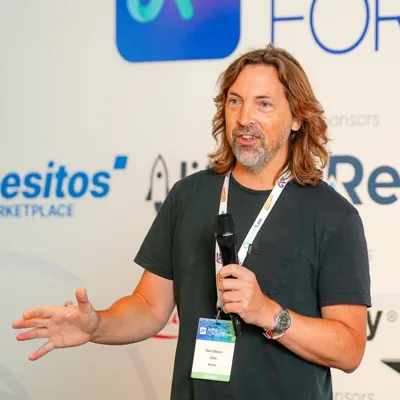
Samuel Olsson is the Head of Growth at Melody and the Managing Director of Kurve, an award-winning growth marketing agency. With over a decade of experience building scalable growth engines for tech companies, Samuel is now focused on solving the biggest problem in music: connecting the 90% of unheard artists with the brands that need their sound.
View full profile →Related reading
Sync licensing companies compared
How marketplaces, agencies and traditional sync companies actually compare.
Music sync libraries
Pre-cleared catalogues for ads — what to look for and what to avoid.
Sync agents vs platforms
Old-school sync agents versus self-serve platforms — speed, cost and control.
What is a sync license? (Brand-focused)
The 2-minute version, written for marketers.